

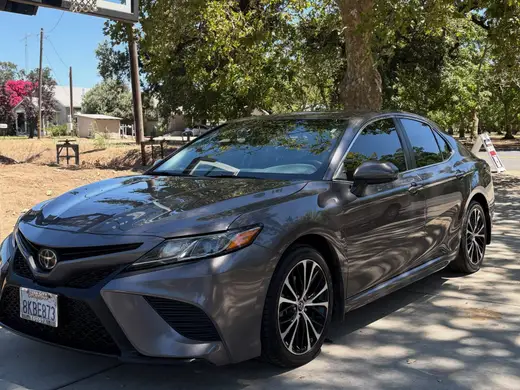
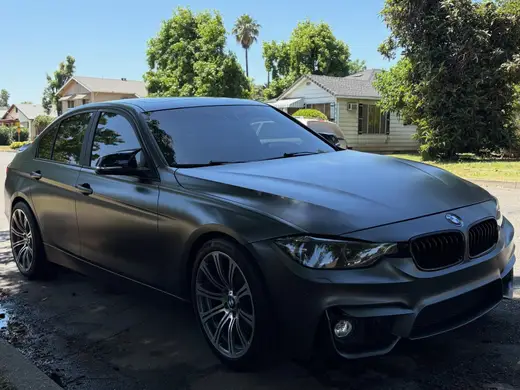
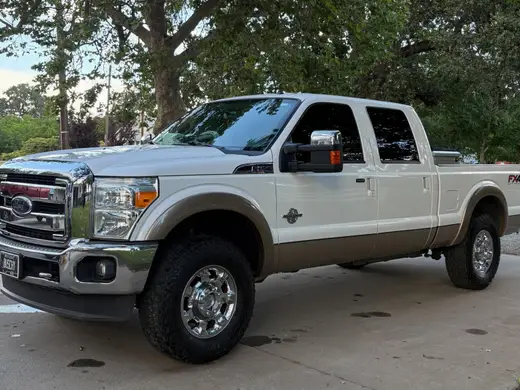
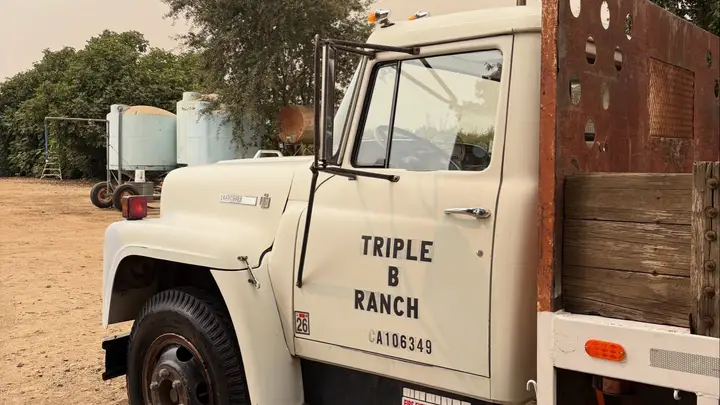
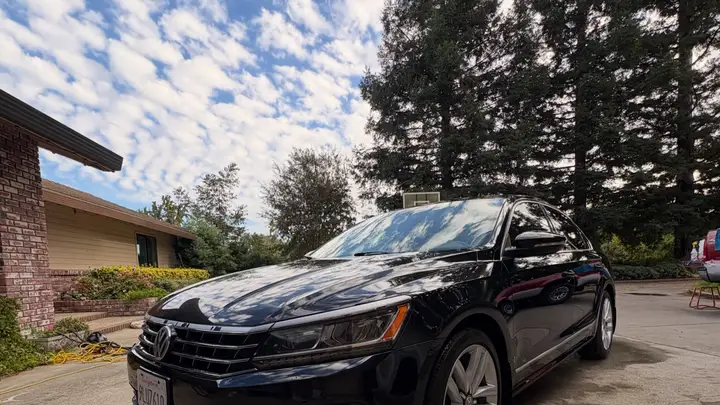
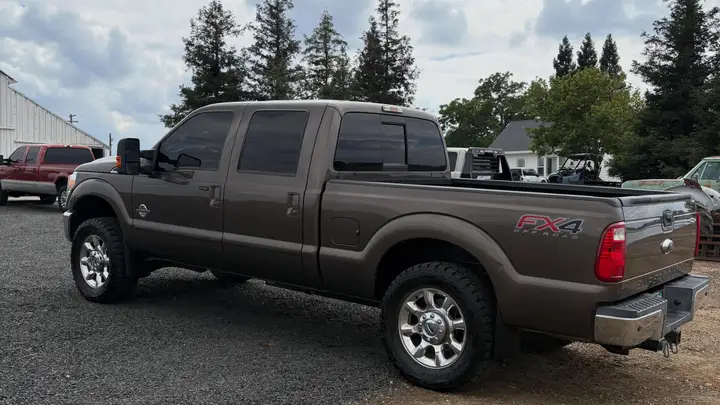
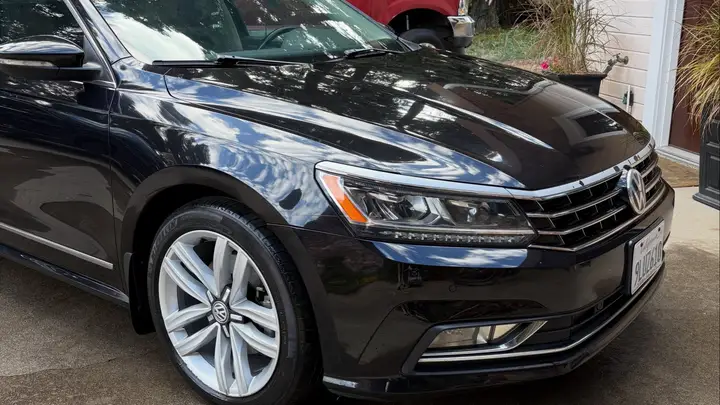
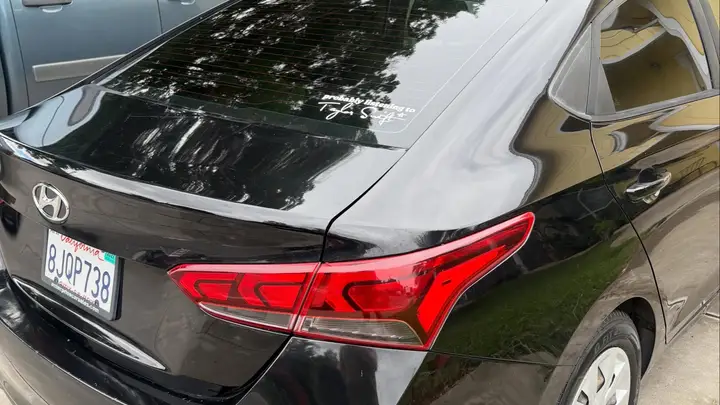
Trucks and full-size SUVs pick up dirt sedans never see: mud in the wheel wells, bed debris, dust worked into carpet from dirt roads. Detailing them properly means addressing those problem areas directly, not just running the same process used on a passenger car.
Why are trucks and SUVs harder to detail than a sedan?
Trucks and full-size SUVs are the dominant vehicle on the road in Gridley, Biggs, Oroville and most of rural Northern California, and for good reason. They work. They haul gear, carry dogs, get driven down dirt roads and park outdoors year-round in valley heat. That hard use creates cleaning problems that simply do not apply to a sedan that mostly sees clean pavement.
Does vehicle size actually change the price?
Yes, and there is a real reason for it, not just a markup. A full-size truck or SUV has far more surface than a sedan: more paint to wash, bigger wheel wells, larger windows and a lot more interior volume to vacuum, wipe down and steam clean. Covering that much surface takes longer and uses more product from start to finish. That is why pricing is based on vehicle size rather than one flat rate for every car that pulls into the driveway. The number is always confirmed on arrival, before any work starts, so there are no surprises once the job is underway.
Why do wheel wells matter so much on a truck?
Farm roads mean trucks pick up thick mud, dust and debris in the wheel wells that a sedan driven on paved streets rarely deals with. Cleaning them properly is not just about how the truck looks. Trapped moisture and contaminants sitting against metal and hardware in the wheel well is one of the more common ways rust gets started, especially on a vehicle that spends a lot of time on unpaved roads or near irrigation and farm equipment. A thorough wheel well cleaning removes that buildup before it becomes a bigger problem than dirt.
What needs attention in beds and cargo areas?
Pickup beds and SUV cargo areas take a beating that a trunk never does. A few common issues:
- Bed debris. Dirt, gravel, hay and general job-site or farm debris collect in the bed and work into every seam and drain channel.
- Fuel and oil stains. Spilled fuel, oil residue from tools or equipment, and general grime build up on bed liners over time.
- Animal hair and work grime. Dogs riding in the bed or cargo area, plus tools, feed bags or gear, leave hair and residue that a quick rinse does not fully clear.
- Cargo area carpet. SUV cargo areas with carpet often need extraction rather than a wipe-down, depending on what has been hauled back there.
Each of these gets handled specifically rather than assuming the same wipe-down that works on a sedan’s trunk will be enough.
Why do automated car washes miss so much on a truck?
Ride height is the main reason. Trucks and SUVs sit higher off the ground, so the exterior takes more reach to cover properly, and the rocker panels and lower trim need more direct attention. Automated tunnel washes are built around a standard vehicle profile, and they routinely miss these lower areas on a lifted or higher-riding vehicle. Hand detailing does not have that blind spot. Every panel, including the areas a drive-through wash brushes past, gets attention.
What does Ryan recommend for a working truck?
For a working truck in Butte or Sutter County, a solid baseline is once or twice a year for the full package, with lighter upkeep in between if the truck is driven hard. The core recommendation:
- Full Detail, from $349. The foundation: complete interior and exterior. The starting price is for sedans; trucks and full-size SUVs are priced on size and condition, confirmed on arrival.
- Clay bar, iron decon and ceramic sealant, $190 for a full-size truck. UV and agricultural fallout hit truck paint hard in this valley. Clay removes bonded contaminants that a normal wash cannot lift, and the sealant gives four to six months of protection afterward.
- Engine bay detail, $100 for a full-size truck. Under the hood of a working truck usually looks like it works for a living. A clean engine bay makes leaks easier to spot early, and it tells a future buyer the truck was looked after, which matters at trade-in or resale.
Full prices for every package are on the services page.
What about SUVs specifically?
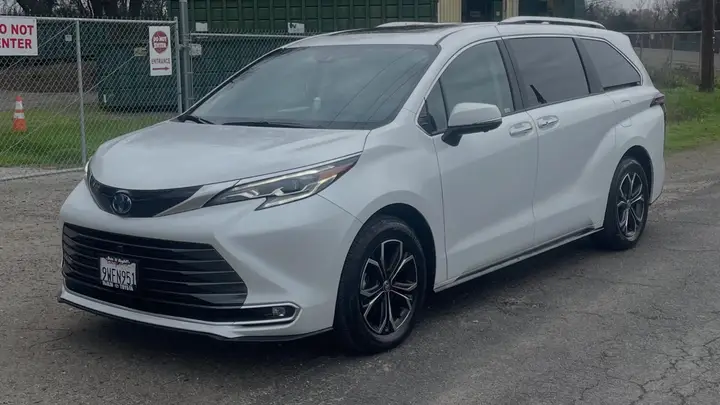
Full-size SUVs share a lot of the same needs as trucks: bigger surfaces, more interior volume and often higher ride height. Where they differ is cargo area use. Families hauling gear, kids and pets tend to need more interior work, carpet shampoo and odor attention in the back of the vehicle, while the exterior schedule looks similar to a truck’s. The same size-based pricing and the same clay bar and sealant recommendation apply.
Does Ryan detail anything besides trucks and SUVs?
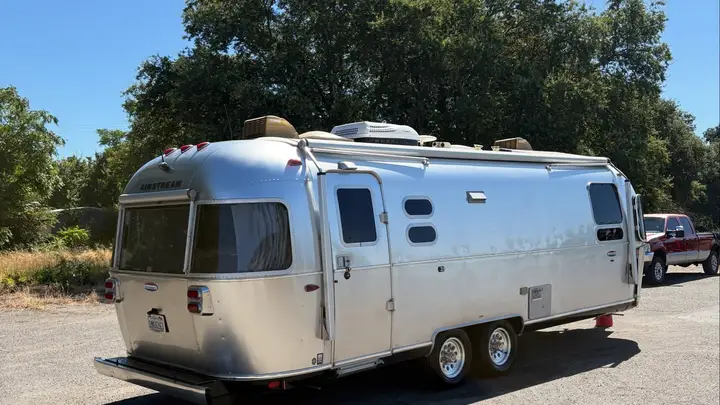
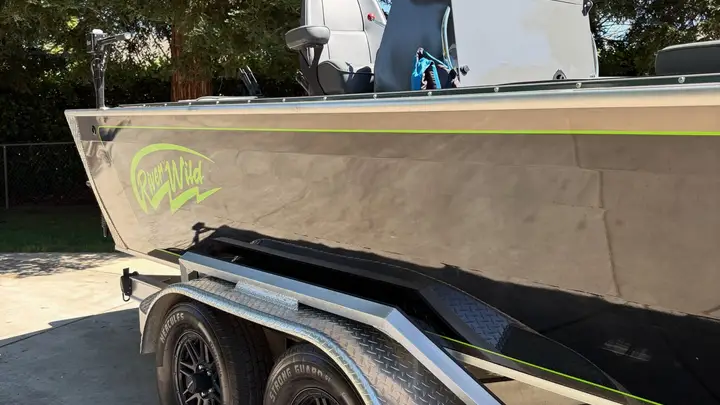
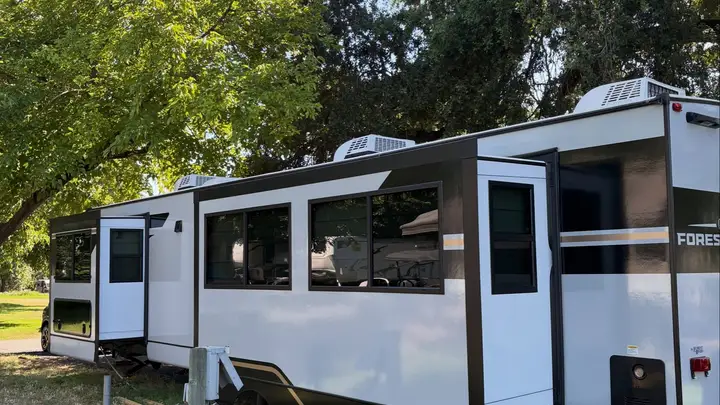
Yes. RVs, travel trailers and boats all get detailed at custom pricing, since none of them fit a standard vehicle size chart. Airstreams, Sprinter motorhomes, bass boats and jet boats have all been through. If you have something non-standard sitting in the driveway or in storage, text a photo to (916) 628-6257 and it will get quoted directly rather than guessed at over the phone.
How should you prepare a truck or SUV before Ryan arrives?
A little prep speeds things up and lets more time go toward the actual detail work rather than setup. Before the appointment:
- Clear personal items, tools and loose gear out of the cab, bed and cargo area.
- Let Ryan know about any specific problem areas up front, such as a spill, pet accident or unusual odor, so the right products and approach can be planned for it.
- If the truck has been on farm roads or through mud recently, mention it. It helps set expectations on wheel well and undercarriage time.
- Park somewhere with a water spigot and a power outlet within reach. Ryan needs both on site.
None of this is required, but it helps the appointment run smoothly and gives an accurate picture of what the vehicle needs.
Where does Ryan work?
Ryan serves Gridley, Biggs, Durham, Chico, Oroville, Yuba City, Marysville, Live Oak, Paradise, Sutter and all of Butte, Sutter and Yuba County, at your home or property.