

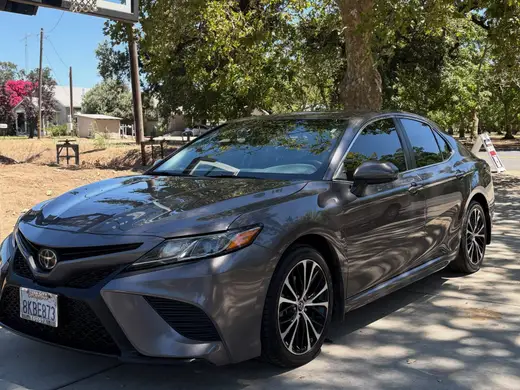


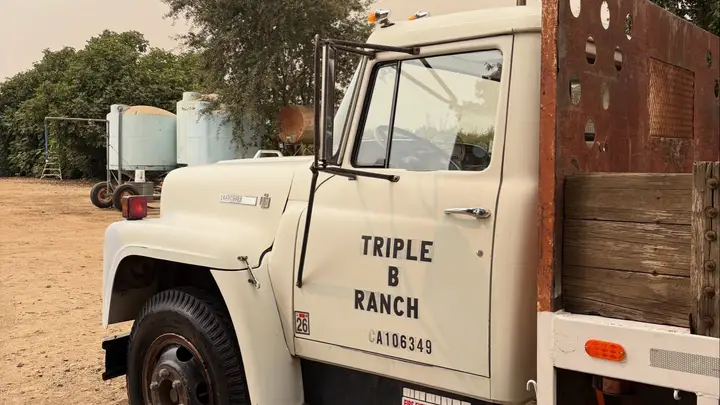
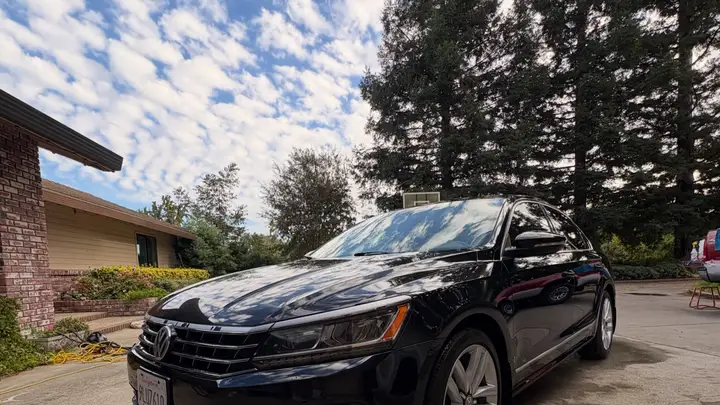
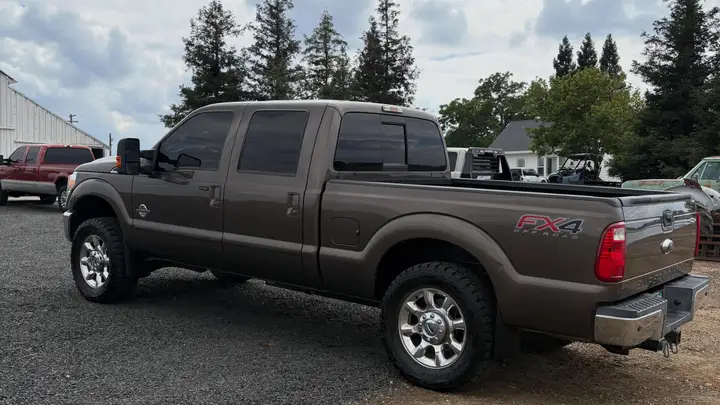
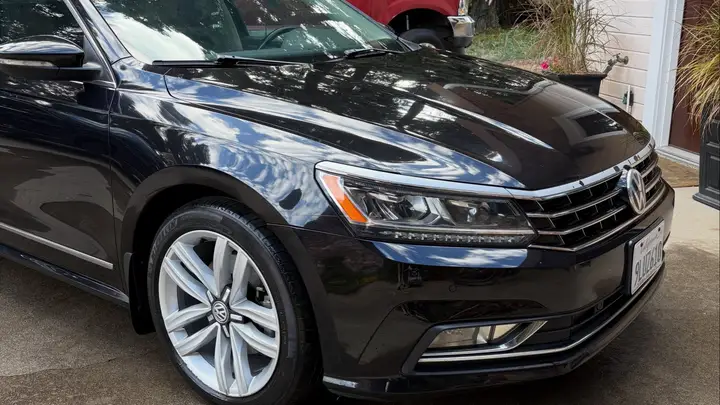
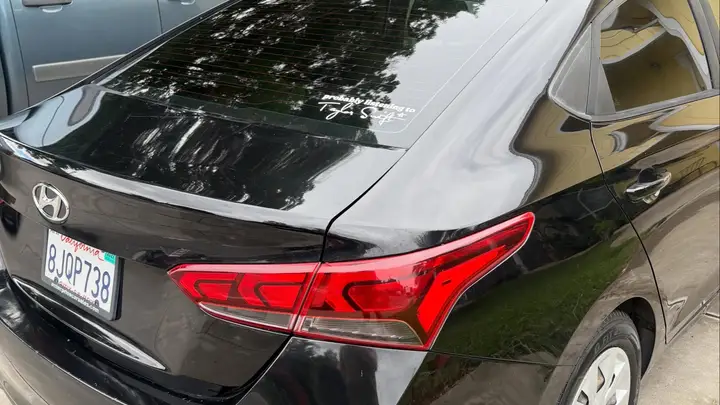
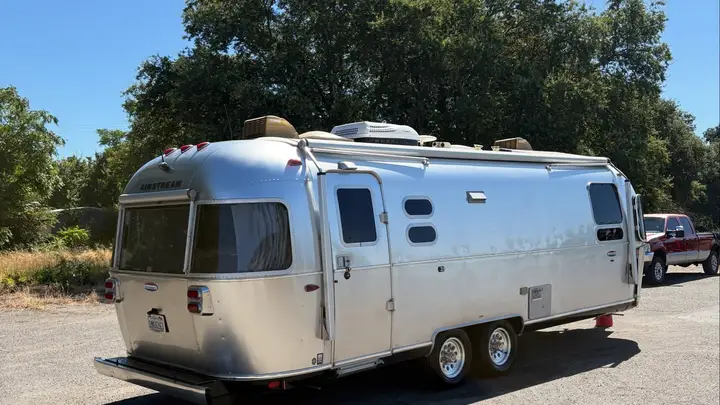
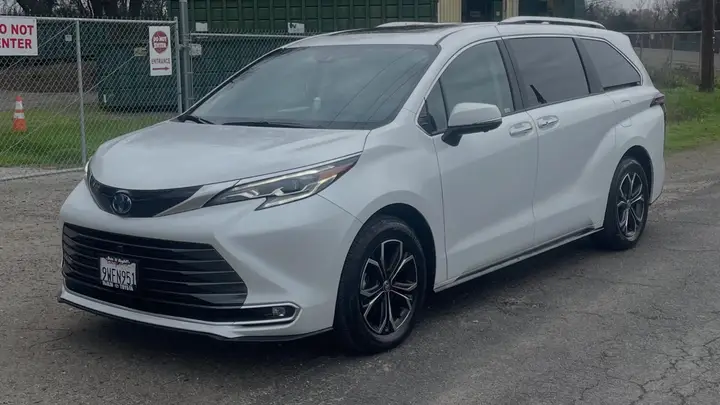
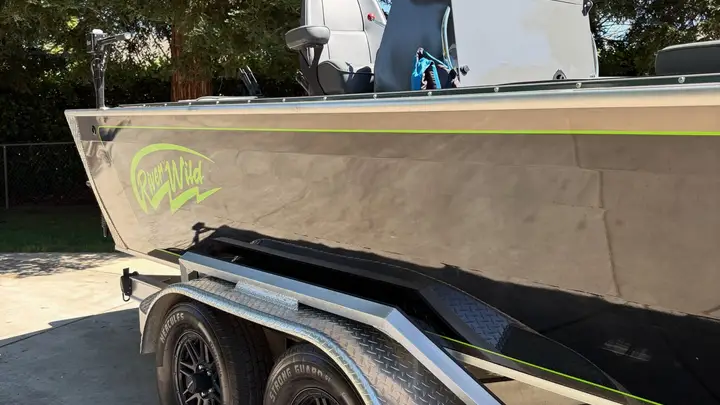

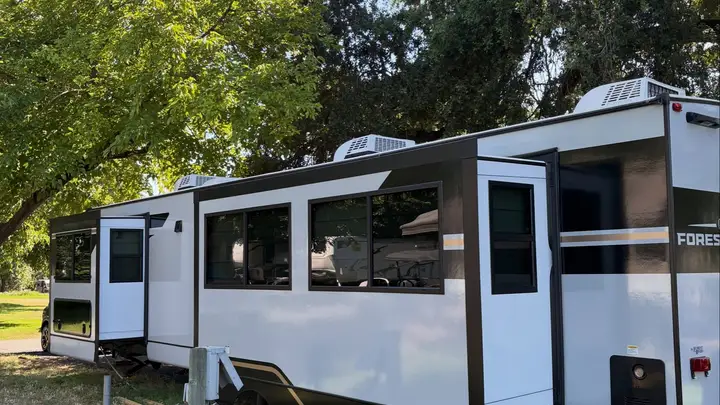
Most drivers should get a full detail every four to six months, with a quick refresh every two to three months in between, and lighter monthly upkeep if the vehicle works hard. Most people in the valley detail far less often than that, usually once a year or when the car becomes embarrassing to drive.
Why is once a year not often enough?
Waiting a full year between details lets buildup compound. Dust, UV exposure and interior grime do not accumulate at a steady, easy-to-manage rate. They stack on top of each other, and each layer makes the next one harder to remove. A car that has gone a year without attention usually needs more aggressive work just to get back to a clean baseline, which costs more time and often more money than staying on a regular schedule would have. Treating detailing as an annual event, or something you only do when the car looks genuinely bad, is a costly habit for both the vehicle’s condition and its long-term value.
What is a reasonable baseline schedule?
For most drivers, a full professional detail every four to six months is a solid baseline. A quick refresh every two to three months keeps the vehicle presentable between those deeper cleans. If you want the lowest-effort option, a monthly maintenance plan is the most cost-effective approach overall: small, consistent cleanings prevent the heavy buildup that makes full details so labor-intensive in the first place. Once the car is on a regular cycle, each visit takes less work than the one before it, because nothing has had time to set in.
Does how you use the car change the schedule?
Yes, significantly. Daily commuters, families with kids and pets, and anyone who eats or drinks in the car regularly accumulate grime much faster than someone who drives occasionally or keeps the car mostly for errands. A few situations that call for more frequent service:
- A car that doubles as a mobile office, with papers, laptops, coffee and general daily clutter.
- A vehicle used to haul gear, tools or equipment on a regular basis.
- A family vehicle with kids, car seats, snacks and the general wear that comes with daily family use.
- Any vehicle with pets riding along regularly.
If any of those describe your car, lean toward the more frequent end of the schedule rather than the longer gap.
Does living in the valley change how often you need a detail?
It does, and it is one of the bigger factors specific to this area. The valley is hard on vehicles in ways a lot of drivers do not think about until the damage shows up. Agricultural dust, fallout from farming operations, pollen and intense summer UV all accelerate interior fading and paint wear compared to a car kept in a milder or less agricultural climate. Drivers in Gridley, Biggs and the surrounding farm areas often need more frequent exterior protection because of this: at minimum, a clay bar and ceramic sealant treatment once or twice a year to remove embedded contaminants before they cause lasting damage to the paint.
Do pets change how often the interior needs attention?
Yes. Pet hair embeds itself into fabric and carpet fibers over time, and the longer it sits, the harder it becomes to remove completely. A single vacuum pass on hair that has been ground in for months is rarely enough. Drivers with dogs or cats benefit from more frequent interior cleanings, even if it is just a thorough vacuum and wipe-down every six to eight weeks, well ahead of the next full detail.
Does regular detailing actually affect resale value?
It can, meaningfully. A well-maintained interior and exterior, especially one with a documented history of professional care, tends to hold up better at trade-in or during a private sale. Buyers notice quickly when a car smells clean, looks cared for and does not show the wear that comes with years of neglect. A consistent detailing history is a simple, low-effort way to protect the value of the vehicle over time, on top of just making it nicer to drive day to day.
What does a simple, realistic schedule look like?
Here is a schedule most drivers in Gridley, Chico, Oroville and the surrounding valley can actually stick to:
- Monthly: quick exterior wash, interior vacuum, window cleaning. The Monthly Maintenance plan at $100 a visit for sedans handles this for you. Bi-weekly is $80 a visit if the car works hard and needs more frequent attention.
- Every 3 to 4 months: a Refresh Detail, from $199. Hand wash, tire shine, full interior vacuum and wipe-down.
- Every 6 to 12 months: a Full Detail, from $349. Steam clean, seat and carpet shampoo, leather conditioning, paint decontamination, clay and ceramic seal on the exterior.
- Once a year: clay bar, iron decontamination and ceramic sealant, from $125 as an add-on. One of the most effective things you can do for paint in a high-UV climate like this one.
This schedule is not rigid. It is a starting point to adjust based on how the vehicle is used and how it is parked day to day.
What if my car has already gone a long time without a detail?
Do not worry about catching up on a “correct” schedule right away. Start with a Full Detail to reset the baseline, then move into the monthly or quarterly rhythm from there. The point of a schedule is to prevent the next buildup, not to make up for the last one all at once.
The bottom line
Consistent, moderate detailing beats sporadic deep cleans, both for how the car looks and for what it costs you over time. The more often you maintain the vehicle, the less time and money each individual service takes, and the better the car holds up through valley summers and farm-road miles. If you are in Gridley, Chico, Oroville, Yuba City or anywhere in Butte or Sutter County, Ryan comes to your home, so there is no logistical excuse not to stay on schedule.