





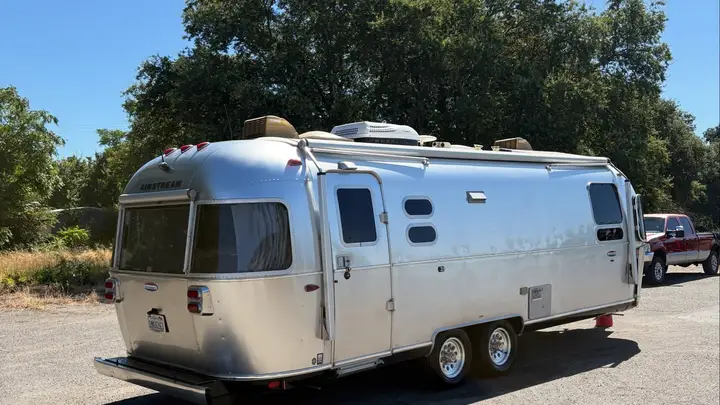

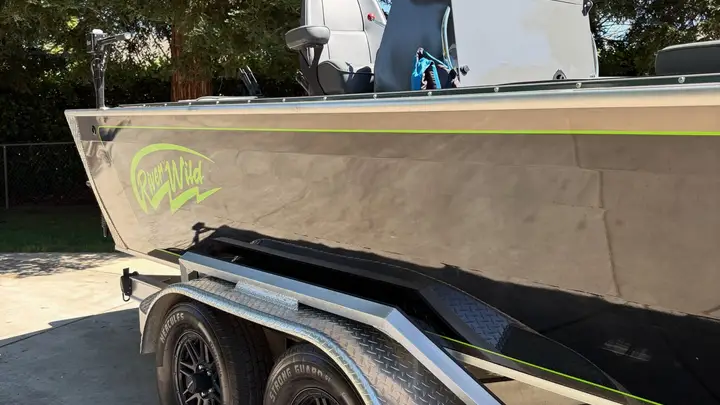

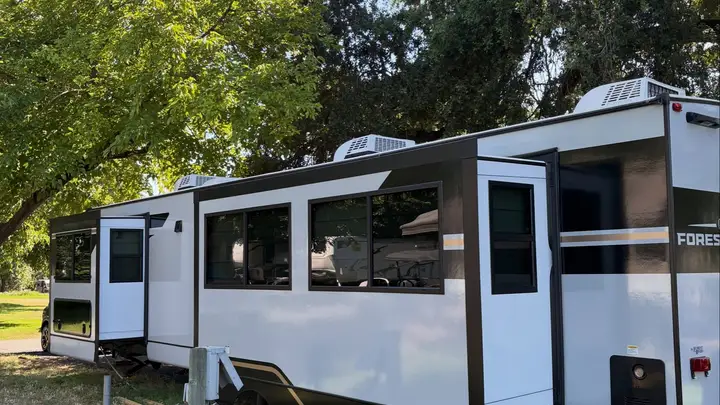
Valley sun, farm dust and hard water damage paint faster than most drivers realize. Parking in shade, rinsing off contaminants promptly and getting a yearly clay bar and sealant treatment are the main things that protect paint between professional details.
Why is valley paint protection different from other climates?
Northern California is beautiful, and genuinely tough on vehicle paint. Summer UV in Gridley, Chico, Oroville and the surrounding valley, combined with agricultural dust, spray fallout and hard water, creates conditions that fade and contaminate paint faster than most people realize. A car kept in a milder or less agricultural climate simply does not face the same combination of stresses. Understanding what is actually attacking the paint here makes it easier to protect against it between professional details.
Does where you park actually matter?
Yes, more than most people assume. UV is the primary cause of paint oxidation and fading, and it works on a car whether it is being driven or just sitting in a driveway. A car parked outside in the California sun for eight hours a day accumulates UV damage year-round, not just in summer. If you have a garage, using it consistently is one of the simplest and most effective things you can do for the paint. If you only have outdoor parking, a quality car cover adds real protection, especially for a vehicle that sits for long stretches without being driven.
Should you rinse the car after driving through farm country?
If you drive through or live near farming operations in Butte or Sutter County, yes. A fresh-water rinse after exposure removes contaminants before they have a chance to bond to the paint. Rice fields, orchards and crop operations all generate fallout, and fertilizer residue and spray overspray are corrosive if left sitting on a painted surface for days. The rinse does not need to be elaborate. Plain water run over the exterior soon after exposure is usually enough to prevent that residue from setting in and causing lasting damage.
What about bird droppings and tree sap?
Do not let them sit. Bird droppings are mildly acidic and can etch clear coat within hours in hot weather, which is common for most of the year in this valley. Tree sap hardens and bonds to paint the longer it is left alone, and it becomes progressively harder to remove without more aggressive methods. A few points worth keeping in mind:
- Remove both as soon as you notice them, ideally the same day.
- Use a clean microfiber cloth with a little detailer spray or plain water.
- Never scrub dry. Dry scrubbing grinds whatever contaminant is on the surface directly into the clear coat and causes scratches.
Acting quickly on these two things alone prevents a lot of avoidable paint damage over the course of a year.
What does a clay bar and ceramic sealant actually do?
Even a car that looks clean after a normal wash accumulates bonded contaminants that a wash alone cannot remove: industrial fallout, brake dust and embedded road grime that sits on top of and slightly into the clear coat. A clay bar treatment physically lifts these off, leaving the paint smooth at a microscopic level rather than just visually clean. Run a hand over paint before and after a proper clay treatment and the difference is obvious even with your eyes closed.
Following the clay treatment with a spray ceramic sealant gives four to six months of chemical resistance and UV protection on top of that clean surface. The clay bar, iron decon and ceramic sealant add-on is from $125 and can go on any package. For valley drivers dealing with agricultural fallout and heavy UV, it is one of the more effective things you can do for paint between full details.
How often should this be done?
Once a year is a reasonable baseline for most drivers in this area, though vehicles that spend more time near farm operations, dirt roads or extended outdoor storage may benefit from doing it twice a year. Pairing it with a seasonal schedule, such as before summer when UV exposure peaks, is a simple way to remember to keep it current.
Does the type of cloth you use matter for everyday cleaning?
More than people expect. If you wipe the car down at home, dusting the dash or cleaning a window, use a clean microfiber cloth. Paper towels and old cotton rags feel harmless but actually scratch paint and glass over repeated use, because they hold onto grit rather than lifting it away cleanly. Microfiber towels are inexpensive, widely available and protect the finish during everyday cleaning between professional visits. It is a small habit change that adds up over the life of a car.
Is there a way to protect the paint without thinking about it constantly?
Honestly, the easiest way to protect your paint is to have someone else do it consistently. The Monthly Maintenance plan at $100 a visit for sedans includes an exterior wash every month that removes surface contaminants before they can do lasting damage. Combined with a Full Detail every six months and an annual clay bar and sealant treatment, the paint stays in good condition year-round without you having to track any of it yourself.
What about wiper blades, tires and trim?
Paint is not the only surface exposed to valley conditions, and a few smaller habits round out the picture. Wiper blades dry out and crack faster in intense summer heat, and a cracked blade can drag grit across the windshield with every pass. Checking them a couple of times a year is a quick habit worth keeping. Tires and trim fade and gray under the same UV that attacks paint, and a tire shine or trim treatment applied during a detail slows that fading, though it needs to be reapplied periodically rather than treated as permanent.
Does washing technique matter, or just frequency?
Both matter, but technique gets overlooked more often. Washing with a dirty sponge or the same rag used on the wheels and then the body can drag grit across the paint and cause the fine swirl marks you sometimes see under direct sunlight. Using separate tools for wheels and paint, rinsing thoroughly before contact washing, and drying with a clean microfiber towel rather than letting the car air dry in the sun all reduce the chance of adding new marks while trying to clean the car. If in doubt, more frequent professional washes reduce how much at-home washing is needed in the first place, which lowers the risk overall.
Where does Ryan work?
Ryan serves Gridley, Chico, Oroville, Yuba City, Marysville, Biggs, Durham, Live Oak, Paradise, Sutter and all of Butte, Sutter and Yuba County, at your home.